
Helpful IRS Websites
Security and Disclosure Section 7216 Disclosure RulesIdentity Theft CentralIdentity Theft Prevention (Red Flag rules)Protect Your Clients; Protect YourselfDon’t Take the BaitIdentity Theft Information for Tax ProfessionalsNational Tax Security Awareness WeekPublication 4557 (Safeguarding Taxpayer Data)FTC – Start with Security: A Guide For Business Webinars/Workshops/Phone Forums Tax Professional WebinarsIRS Training and Communication Tools for Tax ProfessionalsIRS Video Portal for Professional Tax PreparersSmall Business Tax Workshop Electronic Filing Publication 1345 (Handbook for Authorized IRS E-File Providers)Modernized E-File Status Page Earned Income Tax Credit EITC CentralEITC Home PageCommon EITC ErrorsEITC Due Diligence RequirementsIRS EITC Due Diligence VideosSupporting Documentation Requirements for Qualifying Child and Head of Household Filing StatusIRS EITC Compliance InitiativesDue Diligence Training ModuleEITC Frequently Asked Questions IRS Forms and Publications Draft FormsFinal Forms, Instructions and PublicationsIRS Publication 17 IRS Tools Where’s My RefundIRS Individual Online AccountTax Pro AccountWhere’s My Amended ReturnGet Transcripts – View your transcript online and print immediatelyDirect Pay General IRS Operations – How long it will take to process returns and other operational infoIRS Tax Help in SpanishIRS E-Services – Online Tools for Tax ProfessionalsITIN Resource PageEFTPS (Electronic Federal Tax Payment System)Tax Information for Members of US Armed ServicesIRS Hotlines and Toll Free NumbersDisaster Relief Resource Center Tax Professional Pages IRS Tax Professionals HomeIRS Fact SheetsIRS NewsroomBasic Tools for Tax Professionals Small Business Information Self Employed Tax CenterSmall Business/Self Employed Tax Center
State Requirement for Preparers which offer Tax Refund Products

There are 20 states that have regulations for preparers who offer tax refund loan products with the following types of requirements…
Tax Updates for Tax Year 2023

This article provides information on recent tax changes for 2022 federal tax provisions affecting most taxpayers’ Tax Year 2022 returns.
CARES Act Tax Provisions
The Coronavirus Aid, Relief and Economic Security Act (CARES Act) that was enacted on March 27, 2020 included the following tax related provisions that will affect the following tax years for federal returns.
Additional Things to Know About the Economic Impact (Stimulus) Payment
Here are three additional things to know about the Economic Impact (Stimulus) Payments.
IRS Launches “Get My Payment” Online Tool
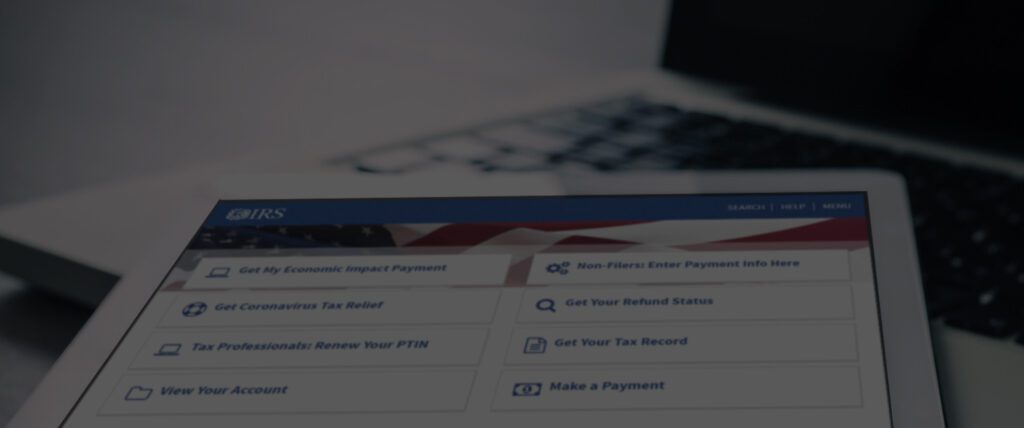
The new “Get My Payment” online tool that will allow individuals to track their economic impact (stimulus) payment and enter their bank account information for direct deposit is now available on the IRS website.
IRS Extends 2nd Estimated Payment and Additional Tax Deadlines
The IRS announced on April 9 in Notice 2020-23 that the following deadlines were extended to July 15.
Filing a “Simple” Return to Receive the Economic Impact Payment
With the exception of taxpayers who received Social Security Benefits, taxpayers who did not have a requirement to file a federal return in 2019 and 2018 will need to file a “simple” federal return in order to receive an Economic Impact (stimulus) Payment.
IRS Filing and Payment Deadline FAQs
As part of the Relief for Taxpayers Affected by Coronavirus Pandemic (Notice 2020-18) the IRS has created a frequently asked questions page related to the extended filing and payment deadlines.
Rental Property and the Qualified Business Income Deduction
The IRS finalized the safe harbor rule that allows rental real estate activities to be treated as a trade or business for purposes of the qualified business income deduction (QBI) in September 2019.